Foot and Ankle Ultrasound — Diagnosis and Intervention
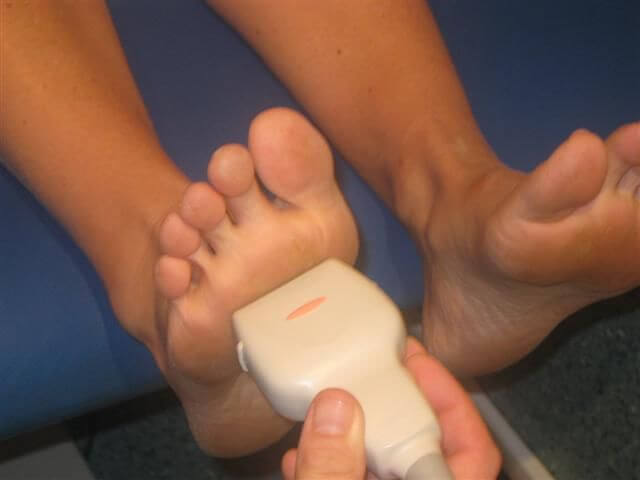
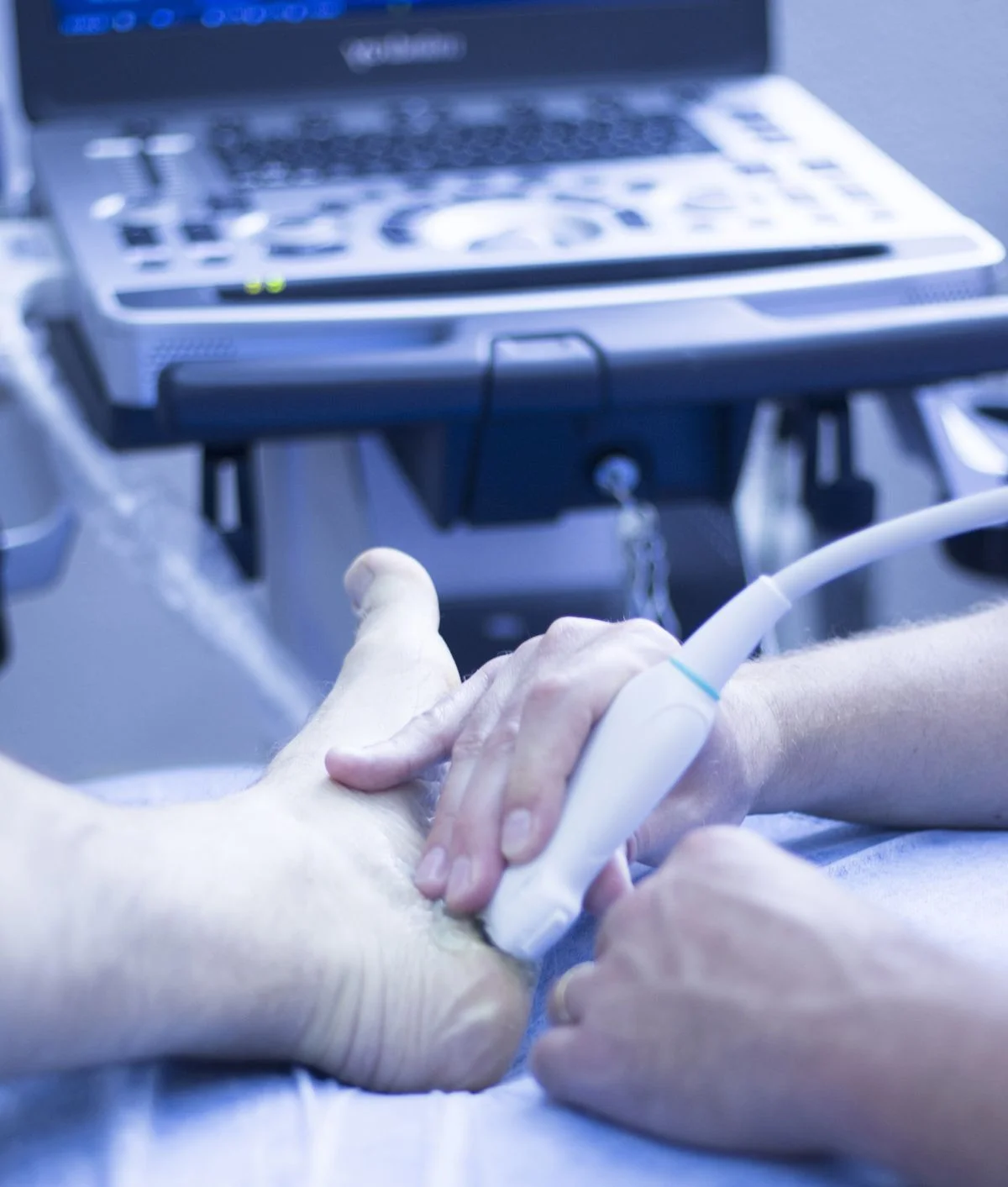
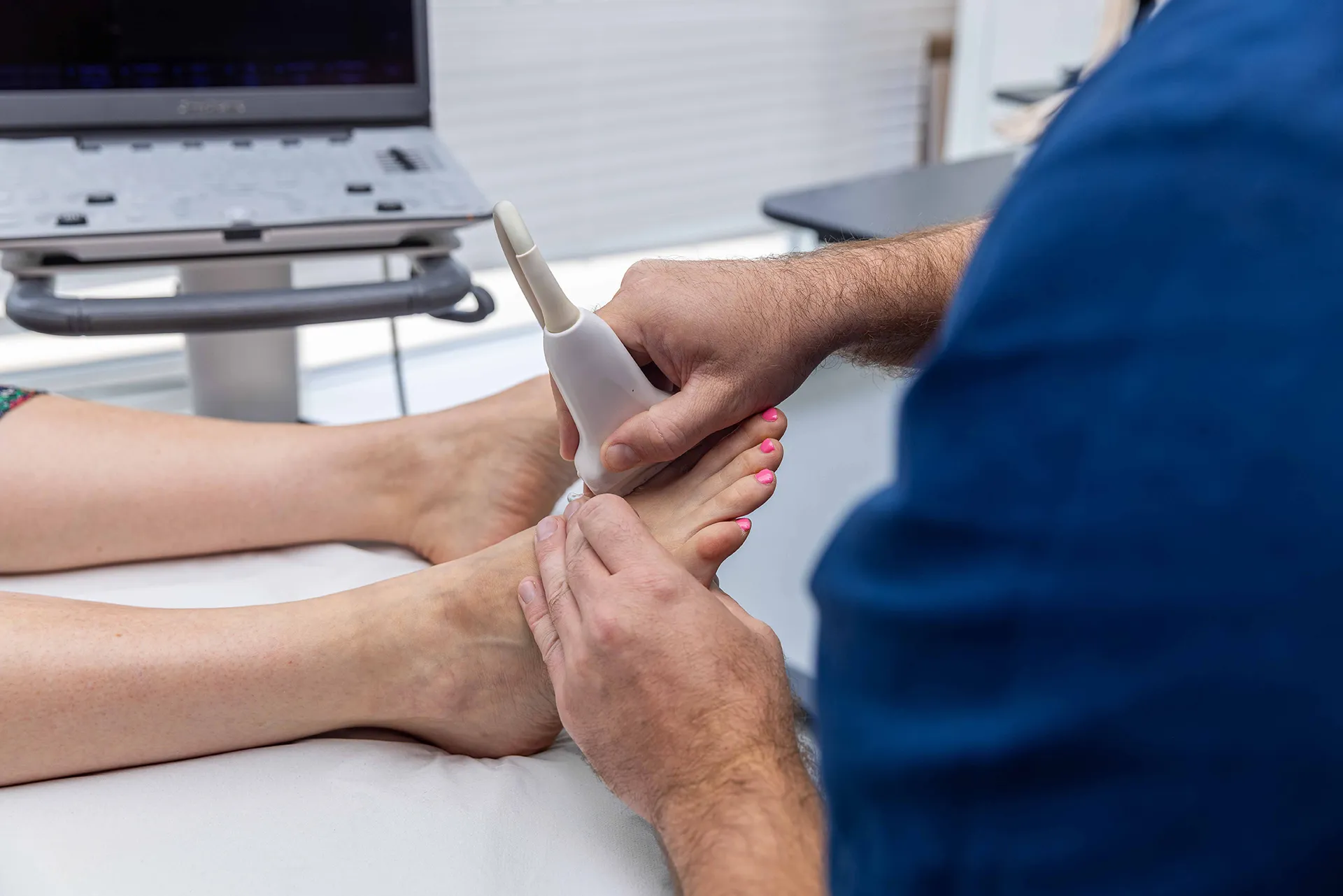
Foot and ankle ultrasound is a direct, fast, non-invasive, and dynamic diagnostic method used in daily clinical practice to increase diagnostic precision. It is painless, cost-accessible, and above all provides real-time assessment. There are no relevant contraindications or significant side effects for the patient.
Today, musculoskeletal ultrasound is widely used and well accepted in modern medicine, including for foot and ankle conditions, both for diagnosis and for follow-up and treatment.
What Is Foot and Ankle Ultrasound Used For?
In experienced hands, ultrasound enables a precise, immediate, comprehensive, and reliable diagnosis for most foot and ankle conditions.
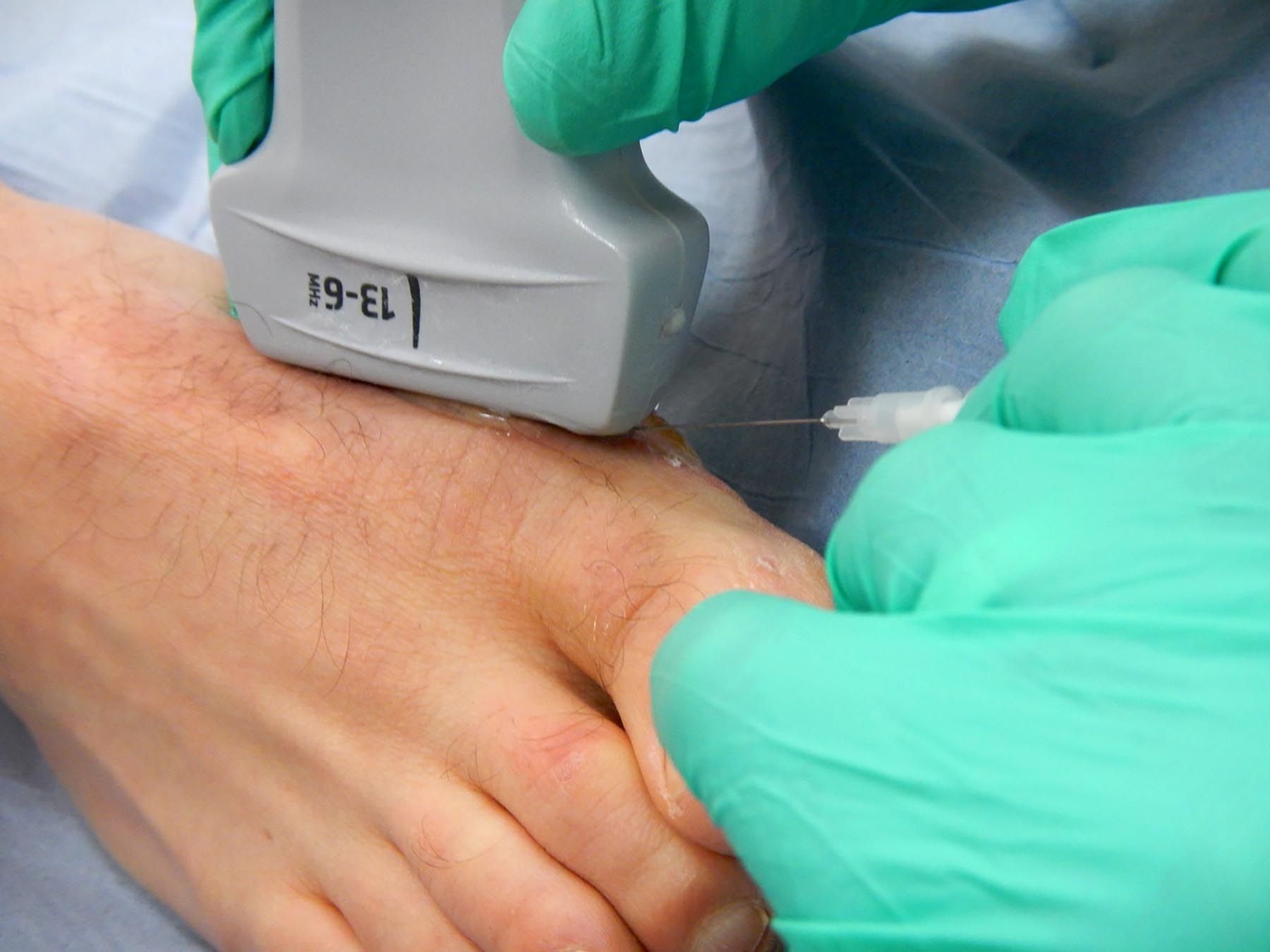
Integrating ultrasound into treatment, in an ultrasound-guided manner, has transformed the therapeutic approach in many cases. In clinics with advanced experience, ultrasound is used to optimize injections and for interventional procedures that previously required surgery and can now be performed in the office with needles under direct visualization.
The key advantage over classical approaches is real-time, sub-millimetric precision visualization of the target area, minimizing errors and supporting better clinical outcomes.
Why is Ultrasound Used to Treat Foot and Ankle Conditions?
Clinical musculoskeletal ultrasound allows lesions to be located instantly and with high precision, significantly reducing the risk of incorrect or imprecise treatment.
Scientific Evidence and Ultrasound-Guided Treatments
Current scientific literature shows that treatments performed under ultrasound guidance tend to have higher clinical effectiveness and lower complication risk compared with approaches that do not use image guidance.
Procedures such as corticosteroid injections, prolotherapy, biologic therapies (for example, platelet-rich plasma and growth factors), or ultrasound-guided hyaluronic acid administration show consistently better results when guided by ultrasound.
Note: any therapeutic decision must be individualized (indication, risk/benefit, technique, and follow-up).
Conditions do Pé e Tornozelo que Podem Ser Avaliadas e Tratadas com Ecografia
Common examples: