Podiatrist in Faro for specialised foot assessment and treatment
Specialized evaluation of foot pathology, with ultrasound support when clinically indicated and minimally invasive surgery when appropriate.
Note: not every case requires an intervention. The first step is diagnosis.
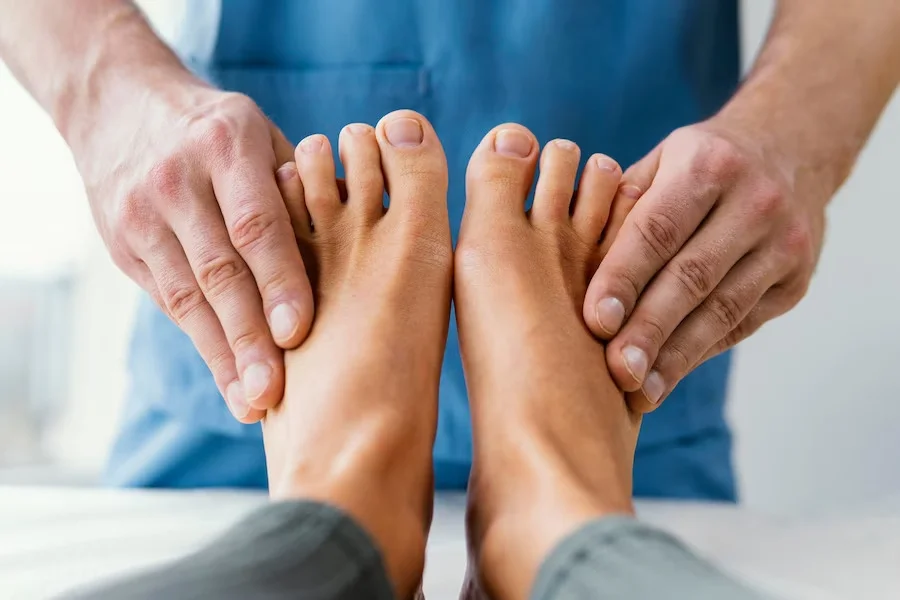
Clinical methodology
Where it hurts — and why location matters
Interactive foot map
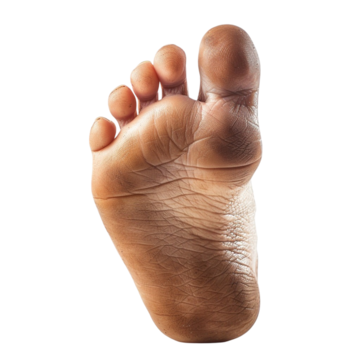
Click an area. The text on the right explains what we assess and how we decide the treatment plan.
Select an area
Correct diagnosis is the basis of effective treatment. Click one of the highlighted areas.
We confirm the source of pain with a clinical exam and, when indicated, imaging (ultrasound). Treatment decisions are stepped: conservative → local interventions → surgery (only when clinically indicated).
Privacy: do not send sensitive clinical data via WhatsApp; use it for scheduling and logistics.
What is podiatry?
Podiatry is the health-science field dedicated to assessment, prevention, functional diagnosis and treatment of foot and ankle conditions that affect gait and quality of life.
It integrates clinical examination, biomechanical assessment and, when indicated, complementary tools (e.g., musculoskeletal ultrasound), enabling evidence-based therapeutic decisions — from conservative measures to surgical procedures when necessary.
Goal: reduce pain, improve function, and prevent recurrence with an individualised plan and follow-up.
Facilities
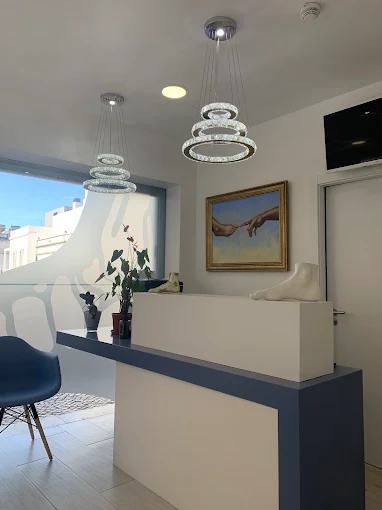
Facilities prepared for assessment, procedures, and foot surgery, with a focus on biosafety and comfort.
Conditions most frequently assessed in specialist consultations
Clinical confirmation and imaging when indicated. Stepped plan: conservative vs surgical; MIS when appropriate and criteria-based.
Assessment of severity and predisposing factors. Conservative when possible; definitive approach when clinically indicated.
Strategy based on pain, location, extent, and prior response. Standalone or combined options, with follow-up.
Load and tissue-tolerance analysis. Aimed at reducing recurrence, optimising function, and improving performance when applicable.
Support for diagnosis and follow-up of soft tissues: fascia, tendons, bursae, and neuromas, depending on the clinical context.
Clinical treatment of calluses/hyperkeratosis and nail changes, with a focus on safety and recurrence prevention.
A therapeutic tool in selected indications. Technology does not replace clinical judgement; it complements when appropriate.
Autologous biological therapy used in selected scenarios to modulate inflammation and stimulate tissue regeneration.
Technology with judgement
Ultrasound, laser and biological therapies are used when they add measurable value to outcomes. The focus is always diagnosis, the right decision, and predictability.
Team
Dr. Ivo Brochado
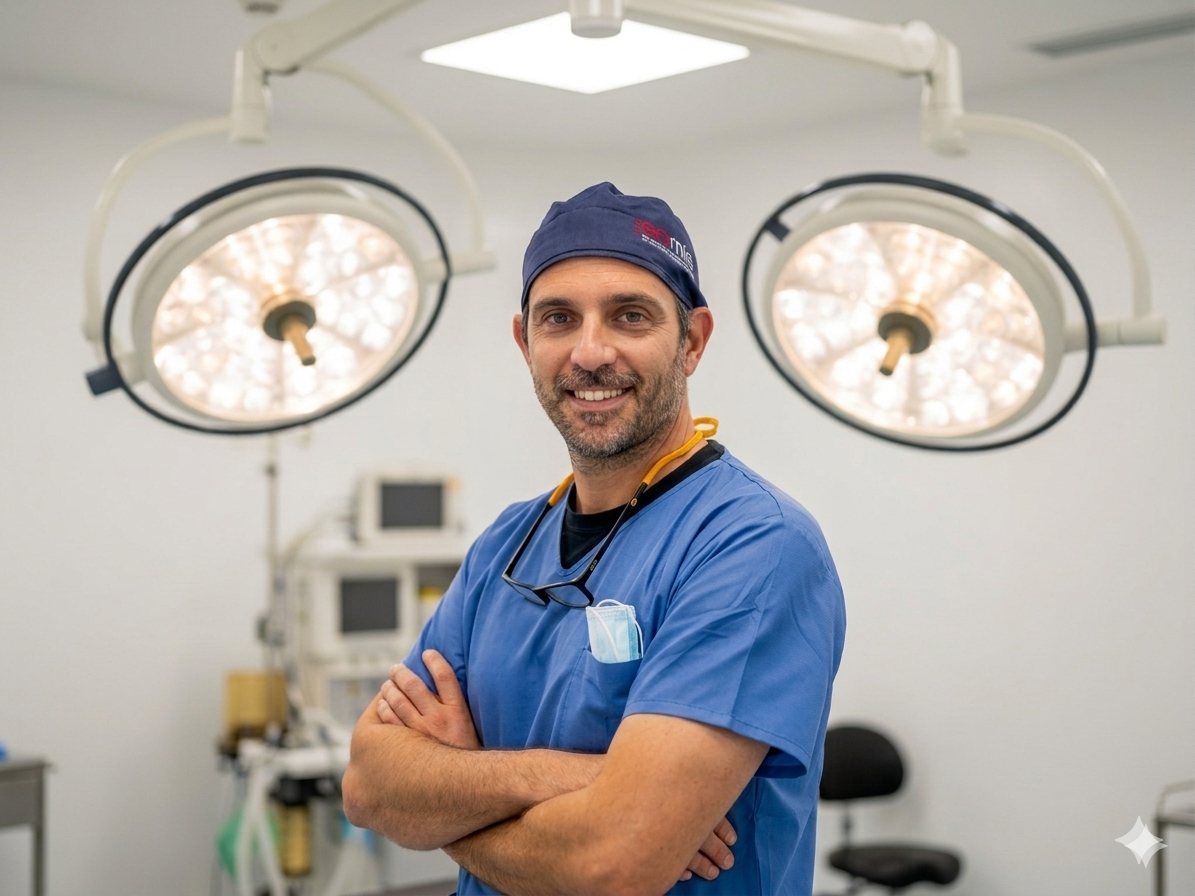
Professional license No. 127 (ACSS).
Member of the Portuguese Podiatry Association.
Member of the Spanish Association of Minimally Invasive Foot Surgery.
MSc in Minimally Invasive Foot Surgery (Universidad Católica de Valencia) and advanced training in nail/digital surgery and hallux valgus (New York College of Podiatric Medicine).
Experience and the integration of ultrasound when indicated enable more precise decisions, correct treatment selection, and more predictable recovery.



Dra. Teresa Ferreira
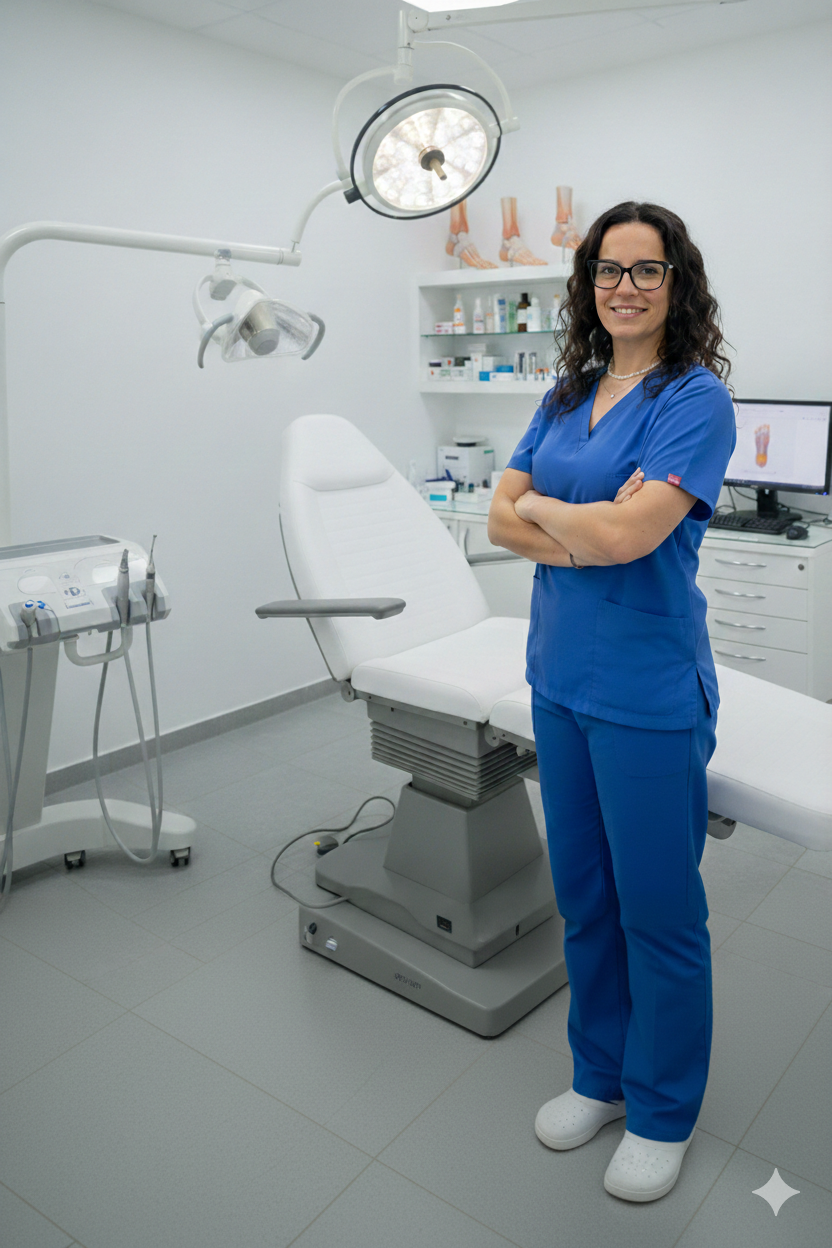
Professional license No. 1111 (ACSS).
BSc in Podiatry (ESSCVP – Portuguese Red Cross School of Health).
Experience in clinical and preventive podiatry, nail and dermatological foot pathology, with a focus on conservative treatment and orthopodology when clinically indicated.
Contact
Request for Specialist Consultation
If you want a rigorous assessment of your condition and a criteria-based treatment plan, this is the starting point.
Rua D. Teresa Ramalho Ortigão nº 9, 8000-312 Faro
+351 968 651 208
Mon–Fri, 9:00–13:00 and 14:30–18:30
Privacidade: não envie dados clínicos sensíveis por WhatsApp/email; use para agendamento e logística.